Adversary Emulation
Replicate the tactics, techniques, and procedures of real-world threat actors to validate your detection capabilities and improve your security posture using the MITRE ATT&CK framework.
What is Adversary Emulation?
Adversary emulation is a control-focused approach to security testing that validates specific security controls against targeted attack techniques. Unlike red teaming, which is goal-oriented and full-scope, adversary emulation is scoped per security control and technique. This lets us measure how well each control works.
We build each adversary emulation engagement on the MITRE ATT&CK framework, so the method is structured and repeatable. Each engagement targets specific techniques against specific controls (EDR, SIEM, NDR, etc.), Your security team sees exactly what each control can and cannot prevent or detect.
Red Team vs Adversary Emulation
Why Adversary Emulation Matters
- Control-Scoped Testing: Assess specific security controls against targeted techniques for precise validation
- Technique-Focused: Test individual ATT&CK techniques to measure prevention and detection effectiveness
- ATT&CK Mapping: Get clear visibility into coverage mapped to MITRE ATT&CK techniques per control
- Repeatable Assessments: Use documented procedures that can be repeated to measure improvement over time
- Purple Team Collaboration: Work alongside your blue team to improve controls in real-time
- Measurable Results: Quantify prevention and detection coverage per control and identify specific gaps
Adversary Emulation Methods
Approaches matched to your security maturity and objectives

APT Emulation
Replicate attack chains of specific APT groups against your defined security controls. Each technique is tested against targeted controls (EDR, SIEM, NDR) to measure prevention and detection effectiveness.
- Control-scoped testing
- Industry-specific threats
- Documented TTP chains
- Per-control results

Technique-Focused Testing
Target specific MITRE ATT&CK techniques against defined security controls. Validate whether each control prevents, detects, or misses specific techniques. This works well for tuning after security changes.
- Per-technique validation
- Control effectiveness scoring
- Prevention & detection testing
- Short test-and-fix cycles

Purple Team Exercises
Collaborative exercises where our team works with yours to test techniques against specific controls in real-time. Immediate feedback on what each control blocked, detected, or missed.
- Real-time collaboration
- Control-by-control testing
- Detection tuning
- Team skill building
Adversary Emulation Methodology
A structured approach aligned with MITRE ATT&CK
Threat Profiling
Identify threat actors relevant to your organization based on industry, geography, and asset value. Research their documented TTPs and attack patterns.
Emulation Plan Development
Create detailed emulation plans mapping specific techniques to ATT&CK, including tool selection, execution procedures, and expected indicators.
Environment Preparation
Set up command and control infrastructure, prepare custom tooling, and coordinate with your team on scope, timing, and communication protocols.
Controlled Execution
Execute adversary behaviors in a controlled manner, documenting timestamps, techniques used, and all artifacts generated for correlation.
Prevention & Detection Analysis
Evaluate prevention controls through defense evasion testing, then work with your blue team to correlate emulation activities with alerts, logs, and detections. Identify what was blocked, detected, missed, or partially visible.
Gap Analysis & Reporting
Deliver ATT&CK coverage heatmaps, detection gap analysis, and prioritized recommendations for improving detection capabilities.
ATT&CK Coverage Report
Our Adversary Emulation Report provides detailed ATT&CK coverage analysis, detection gap identification, and a prioritized roadmap for improving your detection capabilities.
ATT&CK Heatmap
Visual representation of your detection coverage across MITRE ATT&CK tactics and techniques, showing detected, partially detected, and missed behaviors.
Detection Gap Analysis
Detailed analysis of detection gaps with root causes: missing log sources, weak rules, or blind spots in visibility.
Improvement Roadmap
Prioritized recommendations for closing detection gaps, including specific detection rules, log sources to enable, and tools to deploy.

Common Use Cases
Adversary emulation delivers value across various security scenarios
Control Validation
Verify that your EDR, SIEM, NDR, and other security controls can detect and prevent specific attack techniques.
Coverage Measurement
Quantify your ATT&CK technique coverage and identify gaps in prevention and detection capabilities.
Security Improvement
Use repeatable assessments to measure and track security posture improvements over time.
Purple Team Exercises
Collaborate with your blue team to tune detections and improve response procedures in real-time.
Team Certifications
Our adversary emulation specialists hold certifications in offensive security and threat intelligence
OSCP
Offensive Security Certified Professional
OSEP
Offensive Security Experienced Penetration Tester
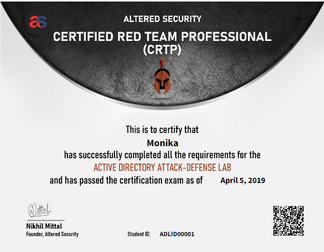
CRTP
Certified Red Team Professional
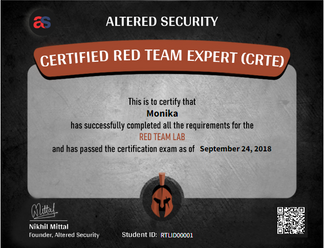
CRTE
Certified Red Team Expert
OSWE
Offensive Security Web Expert
CPTS
Certified Penetration Testing Specialist
Ready to Test Against Real Threats?
Get in touch with our team to discuss your adversary emulation requirements and validate your detection capabilities.