Threat Modeling
Find out who is likely to attack you, how they would attack, and what you need to protect. Then spend your security budget on the threats that matter.
What is Threat Modeling?
We identify the threats to your organization and rank them. You learn who your adversaries are, what they target, and how they work. Then you know where to invest.
Our threat modeling engagements answer the fundamental question: "Who are our adversaries?" We study your industry, region, critical assets, and current controls. From this we build the threat profile that guides your security strategy.
Why Threat Modeling Matters
- Know Your Adversaries: Find the threat actors most likely to target you, based on your industry and assets
- Understand Attack Paths: Map the attack vectors and techniques an adversary would use in your environment
- Prioritize Defenses: Spend on the controls that stop the threats you actually face
- Protect Crown Jewels: Find your most critical assets and protect them first
- Informed Decision Making: Base security decisions on real threat scenarios, not on fear or compliance alone
- Continuous Improvement: Set a baseline to measure threats and security maturity over time
Threat Modeling Methods
Three levels of analysis, chosen for your context
Organization-Level Modeling
Identify threat actors targeting your industry, geography, and organization type. Map adversary motivations, capabilities, and historical targeting patterns to your environment.
- Threats to your industry
- Adversary profiling
- Motivation analysis
- Historical attack patterns
System-Level Modeling
Analyze one application, network, or system to find its attack surface and exploitation paths. Most useful for critical systems and new deployments.
- Architecture analysis
- Attack surface mapping
- Data flow analysis
- Trust boundary identification
Scenario-Based Modeling
Build attack scenarios from threat intelligence. Walk through how a specific adversary would attack you, from initial access to the objective.
- Attack scenario development
- Kill chain mapping
- TTP documentation
- Control gap identification
Threat Modeling Methodology
Six steps, from your critical assets to prioritized actions
Scope & Asset Identification
Define the scope and find your critical assets (crown jewels). Learn the business context, data flows, and priorities.
Adversary Identification
Identify the threat actors relevant to you, from your industry, region, assets, and threat intelligence.
Attack Vector Analysis
Map how these adversaries would reach your assets, using their known TTPs mapped to MITRE ATT&CK.
Scenario Development
Write attack scenarios that show each step, from initial access and lateral movement to the objective.
Control Assessment
Check your current controls against these threats and list the gaps.
Prioritization & Recommendations
Rank the fixes by threat likelihood, impact, and effort to implement.
Threat Model Report
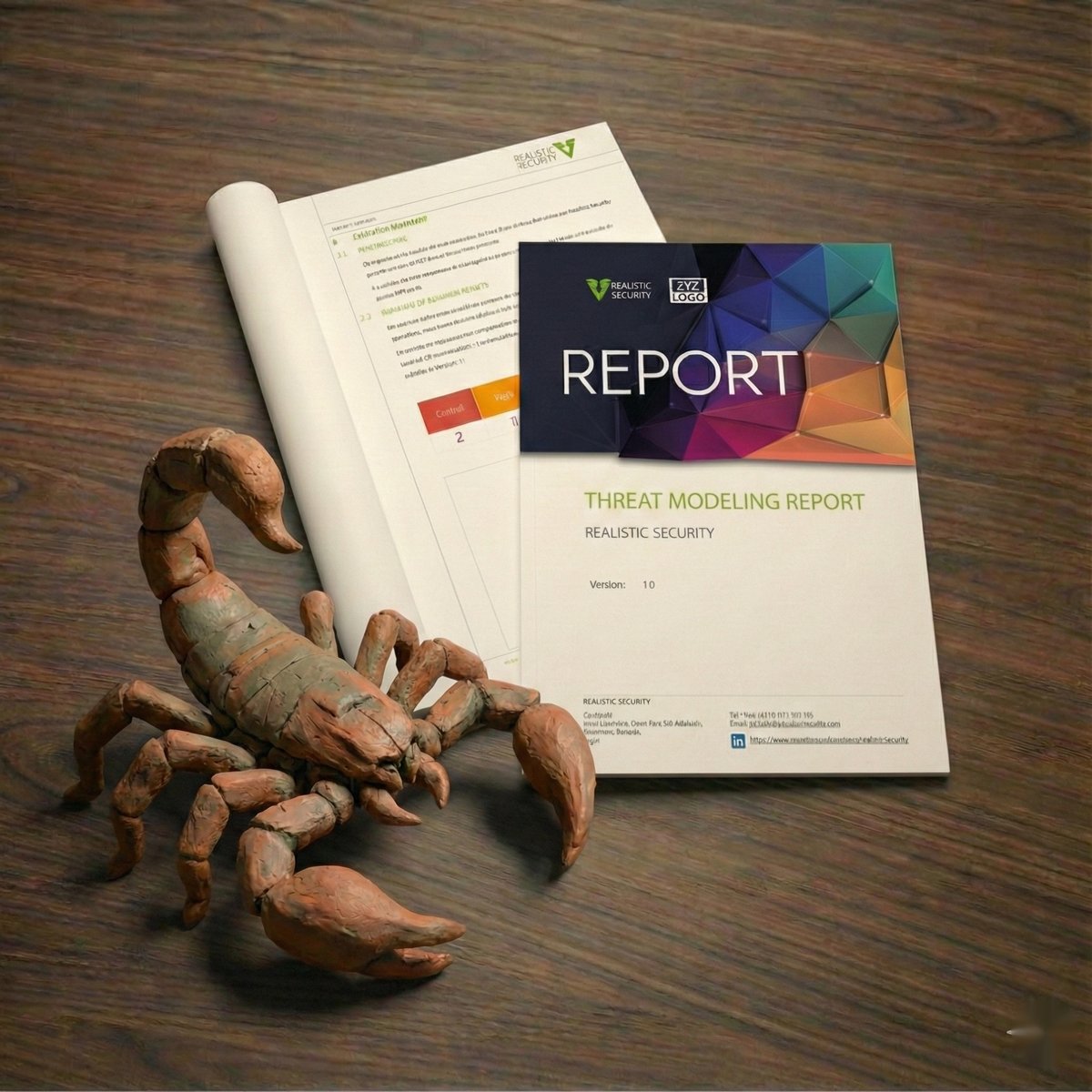
Our threat model report shows the threats you face. It includes adversary profiles, attack scenarios, and prioritized fixes.
Threat Actor Profiles
Profiles of the adversaries most likely to target you: their motivations, capabilities, and past targets.
Attack Scenarios
Attack scenarios mapped to MITRE ATT&CK. They show how an adversary would move through your environment to reach the objective.
Prioritized Recommendations
Clear actions for controls, detection, and processes, ranked by threat relevance and impact.
When to Use Threat Modeling
When threat modeling gives the most value
New System Deployment
Before you launch a new application or infrastructure, learn its threats and build security in from the start.
Security Investment
Spend first on the controls that stop the threats most relevant to you.
Security Strategy
Establish a threat-informed foundation for your security program and roadmap development.
Drive Security Assessments
Use the threat model to scope red team, adversary emulation, and detection engineering engagements.
Ready to Understand Your Threats?
Contact us to discuss your threat modeling needs and build a security strategy based on real threats.