Red Teaming

Test how well your organization detects and responds to a real attack. Our red team acts like a real threat actor and shows where your defenses fail.

What is Red Teaming?

We attack your organization to reach goals you agree with us, such as your domain or your payment system. Our red team uses the tactics, techniques, and procedures (TTPs) of real threat actors. At the same time, we test whether your team detects and stops us.

A penetration test looks for as many vulnerabilities as possible. Red teaming tests your people, processes, and technology together. It shows the weaknesses a determined attacker can use.

The Strategic Question

"Can attackers break in and reach our crown jewels?"

Red teaming tests whether a determined attacker can reach sensitive data, take over key systems, or harm the business. It tests three areas: people, process, and technology.

Why Red Teaming Matters

  • Test Detection Capabilities: See how well your security team detects real attack techniques
  • Measure Response Time: Measure how fast your team responds and contains the attack
  • Validate Security Controls: Find out if your security tools actually stop an attacker
  • Realistic Threat Simulation: Experience attacks that mirror actual threat actor behavior
  • Improve Security Posture: Get clear, prioritized actions to fix what we found

Service details

  • Category Assess
  • Duration 2-8 weeks
  • Deliverables Attack Narrative, Detection Analysis, Executive Report
  • Frameworks MITRE ATT&CK, Cyber Kill Chain
Request a Quote

Red Teaming vs Penetration Testing

Understanding when to use each approach

Objective-Based

A red team engagement starts with clear goals, agreed with you before the test. For example: reach the payment system, read the mailbox of an executive, or take control of the domain.

We do not try to find every vulnerability. Like a real attacker, we look for the shortest path to the goal. The result shows the business impact, with the technical issues behind it.

  • Goal-Oriented Approach Clear objectives agreed with you before the engagement starts
  • Business Impact Focus Results explained as business risk, not only as technical findings
  • Strategic Objectives Goals chosen with management to test what matters most
  • Crown Jewel Targeting Your most critical systems and data are the final targets

Objective-Based Red Teaming

Objective-Based

Clear goals, reached the way a real attacker would.

Threat-Informed Scenario-Based

Our attacks are based on real adversaries and real threats. We study the threat actors that target your sector and region, then emulate their tactics, techniques and procedures (TTPs).

Every action is mapped to MITRE ATT&CK. Your SOC can see exactly which attacker steps were detected, which were missed, and where detection must improve.

  • APT Emulation We reproduce the behavior of known advanced threat groups (APTs)
  • Industry-Specific Threats Scenarios built on the threats that target your sector
  • Real-World Scenarios Attack chains that follow how real intrusions unfold
  • MITRE ATT&CK Aligned Each step mapped to ATT&CK techniques, so detection gaps are clear
Threat-Informed Scenario-Based Red Teaming

Threat-Informed Scenario-Based

Real adversary behavior, mapped to MITRE ATT&CK.

Full-Scope Testing

Red teaming tests your whole organization, not one system. In one attack scenario we combine technical attacks, social engineering and, when in scope, physical intrusion.

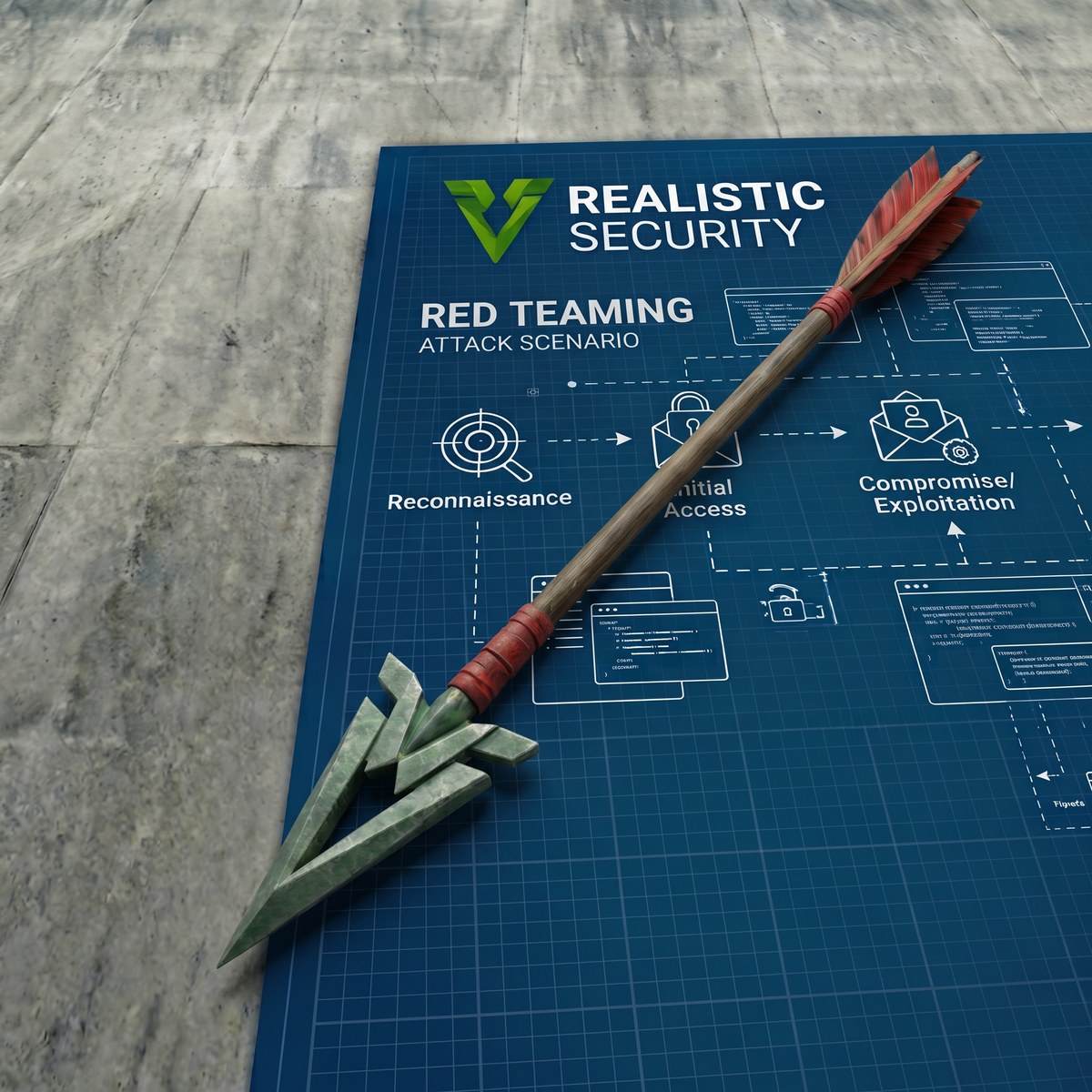
The scenario follows the full attack chain: reconnaissance, initial access, compromise and exploitation, then movement toward the objective. You see how your people, processes and technology hold up together.

  • Technical Attacks External and internal attacks on your network, applications and Active Directory
  • Social Engineering Phishing, pretext calls and other attacks on your people
  • Physical Intrusion Attempts to enter your offices and reach your network on site
  • Process Evaluation We test how your detection and response teams react during the attack
Red teaming attack scenario: reconnaissance, initial access, compromise and exploitation

Full-Scope Testing

The full attack chain, from reconnaissance to the objective.

Common Use Cases

When a red team engagement gives the most value

Security Validation

Check that your EDR, SIEM, and SOC actually detect real attack techniques.

Blue Team Training

Give your blue team a real attack to practice detection and response.

Executive Assurance

Show leadership and the board what an attacker can reach, with evidence.

Incident Readiness

Test your incident response process before a real breach happens.

Red Team Attack Scenarios

The attack phases we test, from first access to the objective

01

Initial Access

Get a first foothold through phishing, public-facing applications, the supply chain, or physical access.

02

Execution & Persistence

Establish persistent access using custom implants, scheduled tasks, registry modifications, and living-off-the-land techniques.

03

Privilege Escalation

Gain higher privileges through credential theft, misconfigurations, and vulnerable services.

04

Defense Evasion

Bypass EDR, antivirus, and monitoring tools without being detected.

05

Lateral Movement

Move through the network using pass-the-hash, Kerberos attacks, and remote execution techniques to reach objectives.

06

Objective Achievement

Show the impact: reach your crown jewels, take sensitive data out, or take over critical systems.

07

Reporting & Debrief

Deliver the attack narrative, the detection gaps, and clear actions to fix them.

Red Team Report

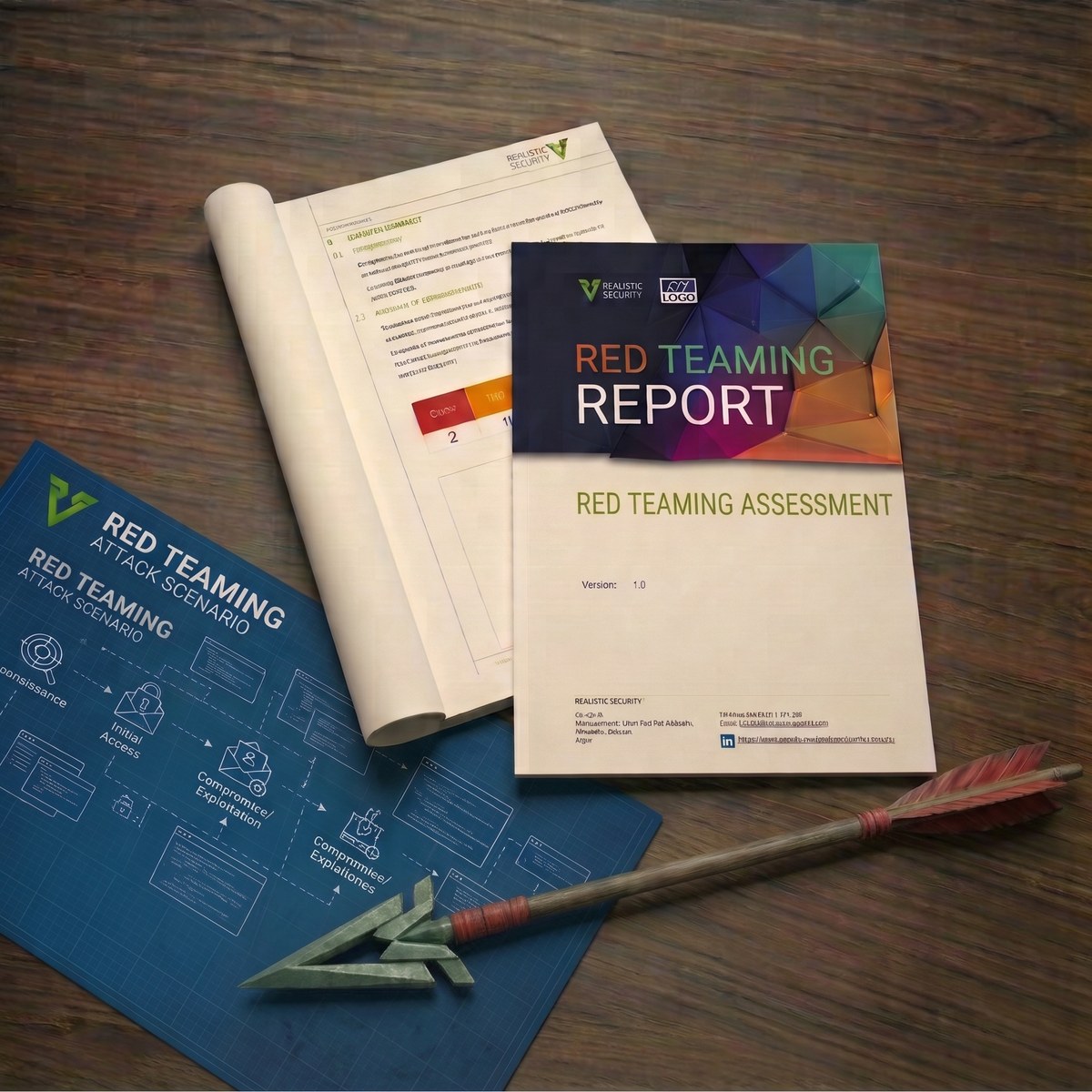
Our red team report tells the full attack story. It shows what your team detected, what it missed, and what to fix first.

Attack Narrative

A step-by-step chronicle of the attack path, including TTPs used, timeline of activities, and how each phase was executed.

Detection Analysis

What your team detected, what it missed, and why. Each step is mapped to MITRE ATT&CK.

Strategic Recommendations

Prioritized actions to improve your detection and your response procedures.

Red Teaming report with the attack scenario blueprint

Team Certifications

Our red team operators hold these offensive security certifications

OSCP

Offensive Security Certified Professional

OSEP

Offensive Security Experienced Penetration Tester

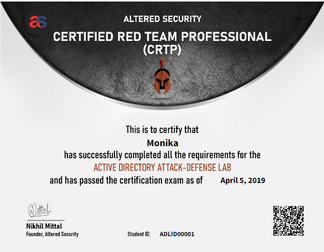
CRTP

Certified Red Team Professional

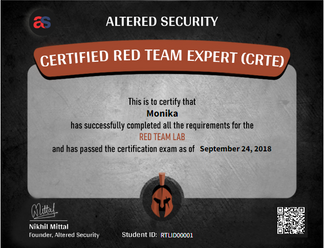
CRTE

Certified Red Team Expert

OSWE

Offensive Security Web Expert

CPTS

Certified Penetration Testing Specialist

Ready to Test Your Defenses?

Contact us to discuss your goals and scope. We send you a proposal for your red team engagement.