Detection Engineering

We write detection rules, map them to MITRE ATT&CK, tune alerts and normalize logs. Your SOC then sees the attacks that matter.

What is Detection Engineering?

We design, build and maintain the detection rules that find attackers in your environment. Each rule turns log data into an alert your SOC can act on. We base the rules on threat intelligence and on the logs you actually collect.

We write custom use cases for the threats you face. Your SIEM and security tools can then detect the attacks that matter most to your organization.

The Strategic Question

"Can we detect adversaries in our environment?"

We answer it with evidence. We build use cases, tune alerts and map your coverage to known attacker techniques.

Why Detection Engineering Matters

  • Threat Visibility: See attacker activity across your environment, with detections built for it
  • ATT&CK Coverage: Map detection capabilities to MITRE ATT&CK techniques for measurable coverage
  • Reduced Alert Fatigue: Tune alerts to reduce false positives and surface high-fidelity detections
  • Faster Response: Clear, accurate alerts let your SOC find and respond to threats sooner
  • Log Optimization: Collect, parse and normalize the logs your detections depend on
  • Measurable Improvement: Track detection coverage improvements over time with clear metrics

Service details

  • Category Detect
  • Duration 2-8 weeks
  • Deliverables Detection Use Cases, ATT&CK Mapping, Tuning Report, Validation Report
  • Frameworks MITRE ATT&CK, Sigma, SIEM-specific
  • SIEM Elastic, FortiSIEM, RSA, Splunk
Request a Quote

Common Use Cases

Four situations where we usually help

SIEM Deployment

Build initial detection content when deploying a new SIEM or security monitoring platform.

SOC Maturity Improvement

Improve existing detections as part of a SOC maturity program.

Closing Detection Gaps

Write rules for the attacker techniques that your current rules miss.

Alert Fatigue Reduction

Tune existing rules when SOC analysts get more alerts than they can handle.

Detection Engineering Methodology

Six steps, from discovery to handoff

01

Discovery & Assessment

Review your environment, log sources, existing detections and the threats you face. Then set priorities.

02

Coverage Analysis

Map existing detections to MITRE ATT&CK. Find the gaps that matter for your threat model.

03

Use Case Design

Design detection logic for priority techniques, including data requirements, query logic, and expected behavior.

04

Implementation

Build the detection rules, test them and deploy them in your SIEM or security platform.

05

Tuning & Optimization

Adjust the rules against your real data to cut false positives and improve accuracy.

06

Documentation & Handoff

Deliver documentation: detection logic, runbooks and ATT&CK coverage maps.

Know Your Adversary

We start with the attackers most likely to target you, and write rules for them first.

Threat modeling tells us who they are and how they work. Their methods become your detection rules.

  • Understand the Context Your location, your sector and your past incidents
  • Select Threat Actors The groups that target your region and sector, including those seen in your past incidents
  • Extract Attack Patterns Their tools, malware and TTPs (tactics, techniques and procedures), mapped to MITRE ATT&CK
  • Keep It Current Regular threat updates as attackers change their methods, and alignment with your regulator

A rusted metal scorpion ready to strike in a grey concrete room

Know Who Targets You

Your sector, your region, your past incidents.

Every Rule Is Tested

Before handoff, we test each rule with adversary emulation. We run the real attacker techniques in your environment and check that the alert fires.

If the alert does not fire, we fix the rule and run the same attack again.

  • Real Techniques Each test uses an attacker technique from your threat model
  • Retest Until It Fires A missed alert goes back to rule writing, then we test again
  • Attack Chains We chain techniques the way an attacker would, mapped to MITRE ATT&CK
Two kendo fighters in armour crossing bamboo swords in a concrete room

Prevention Is Ideal. Detection Is a Must.

Each rule is proven against a real attack before handoff.

One Compliance Project, in Numbers

Example from a past project, anonymised

Requirements covered at the start

14 of the 16 default use cases needed tuning.

Attacks detected, by test round
Round 112%
Round 254%
Round 381%
Round 4100%

Four rounds over one year. After each round we fixed the missed rules and ran the attacks again.

86Sigma rules written for the gaps
70rules implemented in the SIEM
86rules validated by adversary emulation

Detection Engineering Outputs

Your SOC can use each deliverable from day one.

Use Case Development

Custom detection rules written for your environment, the threats you face and your security goals.

MITRE ATT&CK Mapping

Map existing and new detections to MITRE ATT&CK techniques to visualize coverage and identify gaps.

Alert Tuning

We tune detection rules to cut false positives. The rules still catch real attacks.

Parser Creation & Log Normalization

Custom parsers and normalized log data, so every log source is consistent and searchable.

Validation Report

What we tested, what was detected or missed, and the next steps, with simple charts.

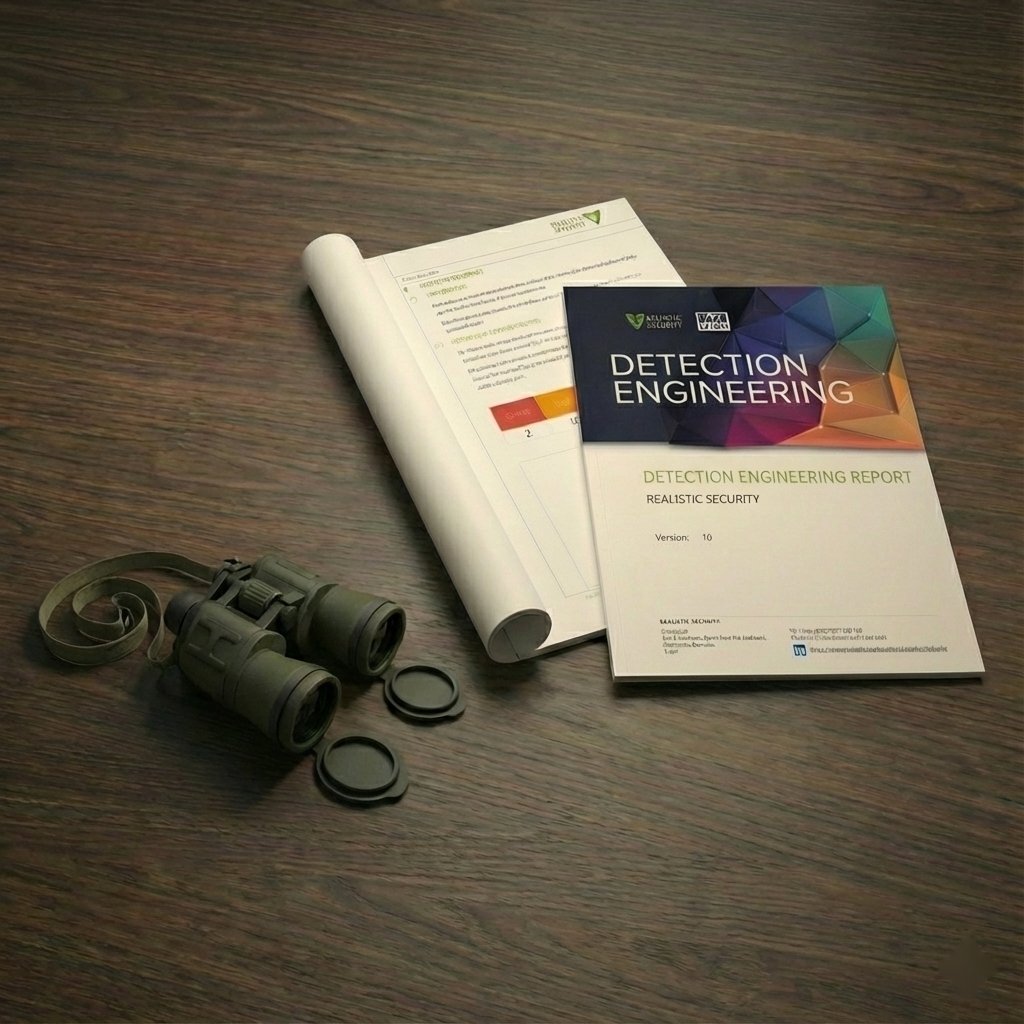
Detection Engineering Report

Ready to Improve Your Detection Capabilities?

Tell us about your SIEM and log sources. We will plan the detections that catch real threats.