Application Security

Safer software from day one. We work side by side with your developers to find and fix security problems early: while your software is planned, written, tested and released.

What is Application Security?

Application Security (AppSec) means protecting your software at every stage: when it is planned, written, tested and updated. Our engineers work side by side with your developers. We find problems, explain them clearly and help fix them.

A penetration test finds flaws in finished applications. AppSec goes further: it helps stop those flaws from being written in the first place. We cover your applications, APIs, source code, third-party libraries and build pipelines.

The Real Question

"Do we build security in every day, or only check it once a year?"

With AppSec, security becomes a normal part of your team’s work, not a once-a-year exam.

Why AppSec Matters

  • Early Detection: We find problems while the code is being written. That is when they are quick and cheap to fix.
  • Continuous Testing: Checks run on every code change, so new problems are caught right away.
  • Automation: Tools do the repetitive checks, so developers get fast answers.
  • Better Fixes: We work directly with your developers to fix the root cause.
  • Wider Coverage: We check your code, outside libraries, stored secrets and build tools. A penetration test often misses these.
  • Compliance: Evidence for PCI DSS, ISO/IEC 27001, SOC 2 and OWASP ASVS.
  • Lasting Improvement: Your team learns good habits, so the same mistakes don't come back.

Service details

  • Category Assess
  • Deliverables Threat Model, Executive Summary, Technical Report, Validated Findings, Re-test Report
  • Standards OWASP ASVS, OWASP Top 10, API Top 10, WSTG, CWE Top 25, CVSS v3.1
  • Tools Semgrep, OWASP dep-scan, Gitleaks, TruffleHog, Burp Suite Pro
Request a Quote

What AppSec Covers

Seven services. Pick one, a few, or all of them.

Threat Modeling & Secure Design

We look at how your application is planned and spot risks before anything goes live.

Web App & API Testing (DAST)

We test your live applications and APIs the way an attacker would: logins, access rights, data leaks and business rules.

Secure Code Review (SAST)

We read your code by hand, helped by tools. We only report what we have confirmed, ranked by importance.

Dependency Scanning (SCA)

We check the outside libraries you rely on for known flaws and old versions, and suggest safer options.

Secrets & CI/CD Review

We find passwords and keys left in code, and check who can change how your software is built and released.

DevSecOps Integration

We set up automatic code, library and secrets checks that run on every change, so problems show up early.

Ongoing AppSec Support

An engineer for your team: regular reviews, advice, help with fixes, and re-tests as your applications change.

Fewer flaws go live, and fixes happen faster.

From Design to Release

What we check at each step, and what you get

Threat Modeling + Penetration Testing

We draw a map of the application to find design problems before testing starts. The map shows our testers where to look. Then we test the live application to prove which risks are real.

We use STRIDE to list what could go wrong at each step: spoofing, tampering, repudiation, information disclosure, denial of service and elevation of privilege. Each risk becomes a clear test.

  • Scope & Data Flows How the parts connect and how data moves (DFD)
  • Assets What needs protecting: logins, payments, customer and business data
  • Users & Attackers Who uses the application, who might attack it, and why
  • Trust Boundaries Where outside data enters your trusted systems
  • Model, Then Prove Each threat becomes a test. Real problems are ranked, with clear fixes.

Clay scorpion in a concrete room: threat modeling looks for the danger before it strikes

Model, Then Prove

The threat model shows where to look. Testing proves which risks are real.
Secure Code Review & SAST

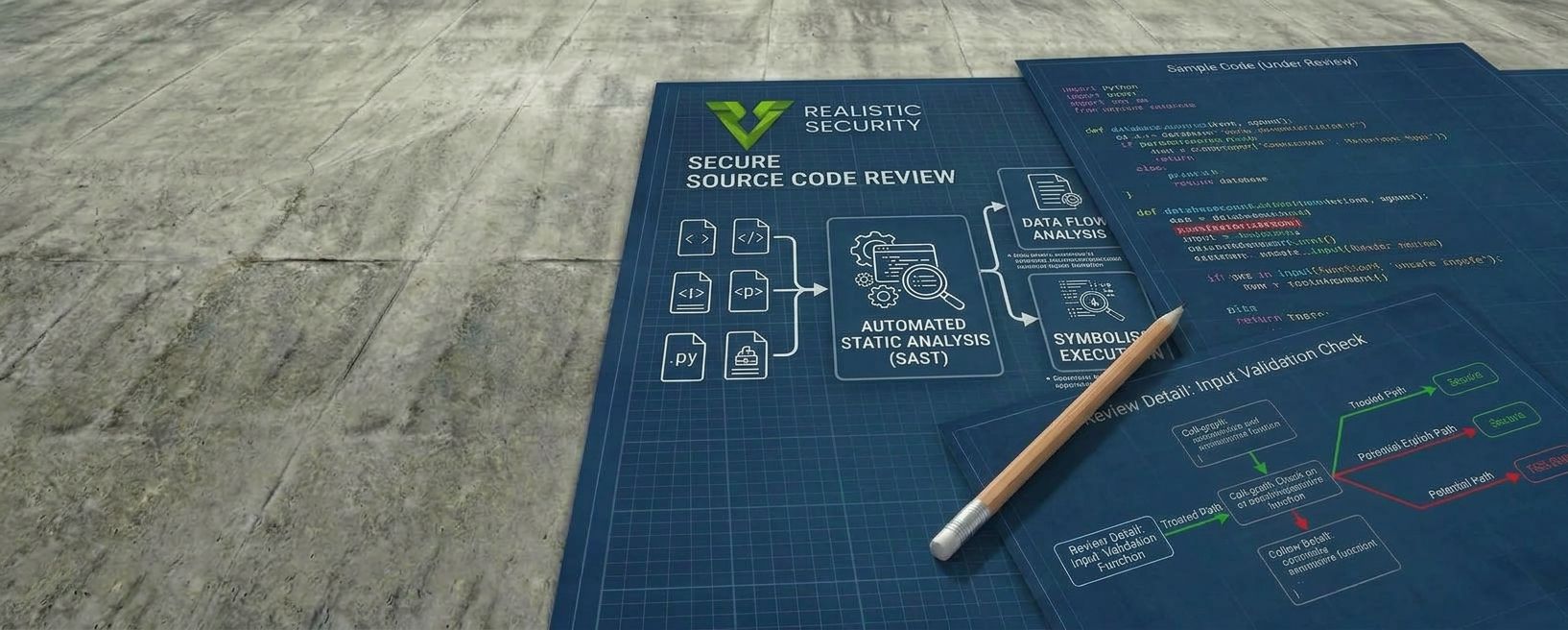
Our engineers read your code by hand and scan it with Semgrep (SAST, static code analysis), with rules tuned to your code. An engineer checks every alert before it reaches you.

We spend most of our hand review on the sensitive areas found in the threat model: logins, access rights, payments, file uploads and data access.

  • Unsafe Input SQL, command and template injection, and unsafe deserialization
  • Logins & Access Broken or missing access checks
  • Private Data How it is stored, logged, encrypted and shown
  • Passwords in Code Keys and tokens left where anyone can read them
  • Weak Design Business-logic flaws that tools alone miss
Secure source code review: automated static analysis (SAST) and manual review

Secure Code Review

Manual review backed by SAST. Only confirmed issues, with file, line and fix.

Web & API Testing (DAST)

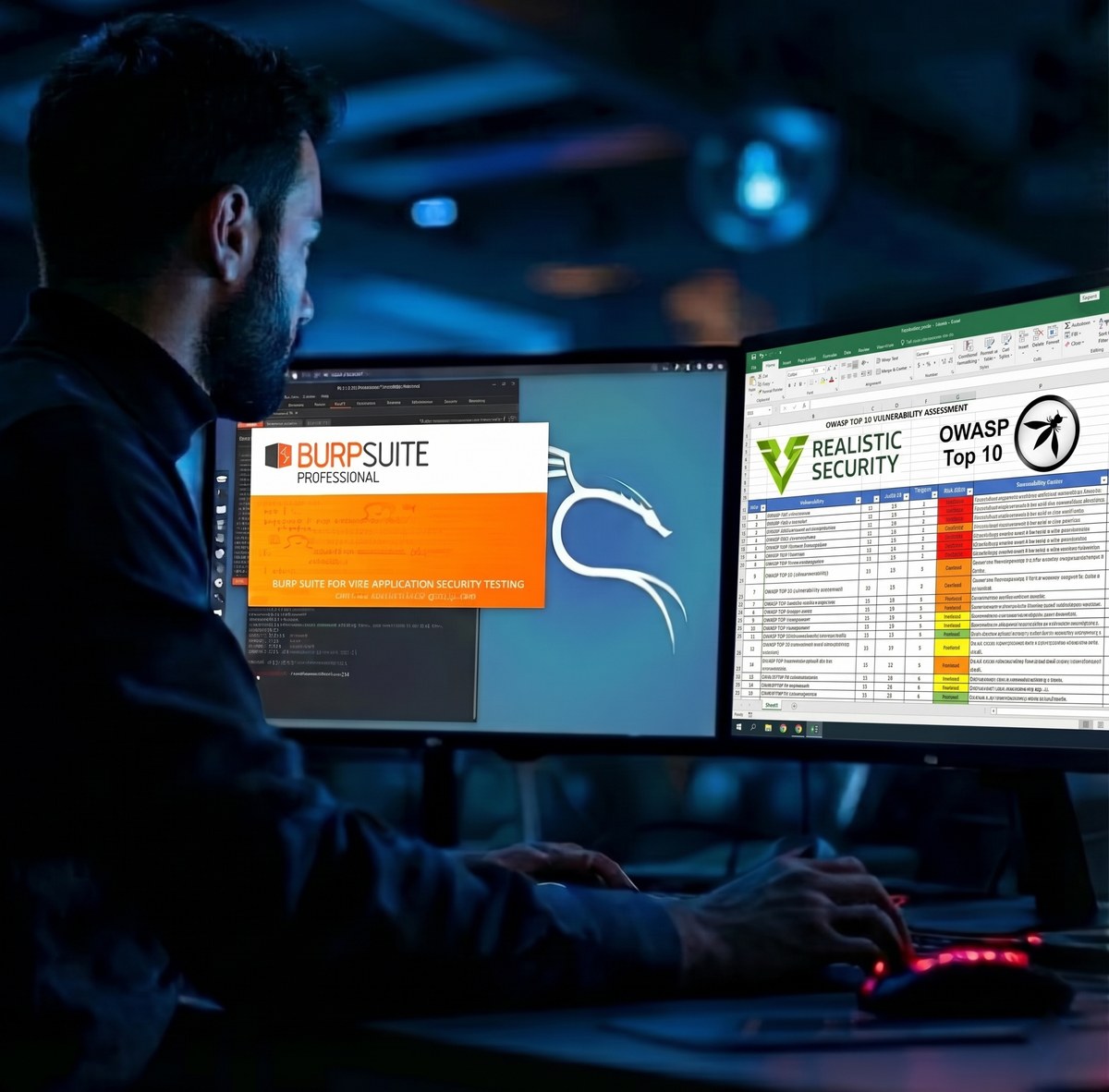
We test your running applications and APIs the way a real attacker would, with Burp Suite Professional and hands-on testing (DAST, dynamic testing).

Our testers get test accounts and documents (grey-box). This lets them go deeper in less time. We cover the OWASP Top 10 and the OWASP API Top 10.

  • Authentication Login, password reset, MFA, sessions and tokens (for example JWT)
  • Authorization Can a user see another user’s data by changing an ID (IDOR)?
  • Data Leaks What the API returns, error messages, and transport security
  • Injection SQL injection, XSS, command injection, SSRF and more
  • Business Logic & API Rules Payments, limits, rate limiting, mass assignment and CORS
Web and API security testing with Burp Suite and an OWASP Top 10 report

Web & API Testing

Proof for each problem, how serious it is, and how to fix it.

Dependencies, Secrets & CI/CD

Most of your application is code written by others. Your build tools hold your most sensitive passwords. We check both, then make the checks automatic.

We scan the libraries you use (SCA, software composition analysis). We also look for passwords and keys in your code and in the Git history.

  • Dependencies (SCA) Known CVEs, old versions, and abandoned or risky libraries
  • Secrets Scanning Exposed keys, tokens and passwords in code and Git history
  • Pipeline Permissions Who can change builds, approve merges and deploy
  • Secret Storage How CI/CD passwords are stored, limited and changed
  • Build & Release Runners, build artifacts and release controls
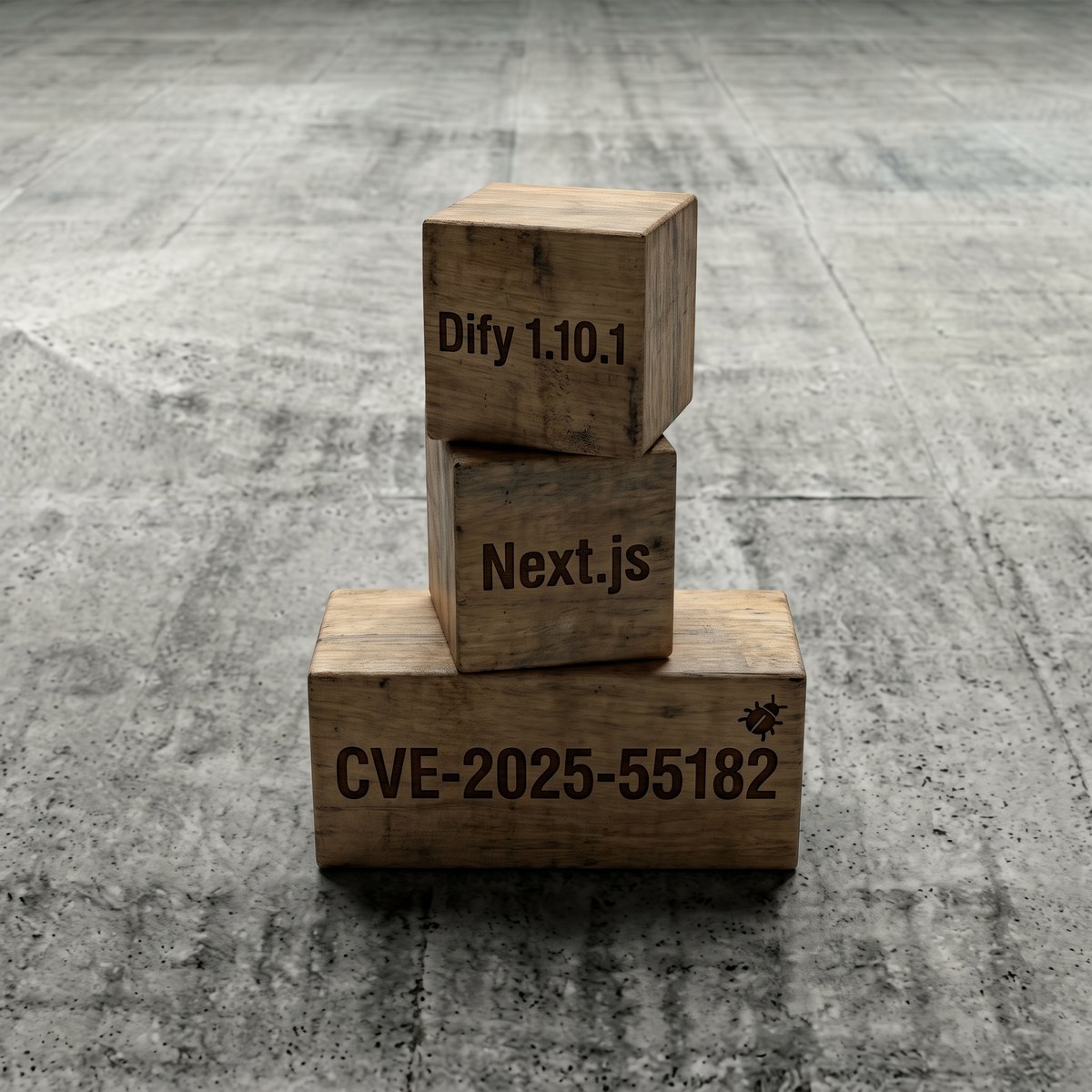
Stacked wooden blocks labelled Dify, Next.js and a CVE: one vulnerable library puts the whole stack at risk

Dependency Scanning (SCA)

Risky libraries, with the safer version to move to.

Real Library Risks, Not CVE Noise

We check the third-party and open-source libraries your application uses, and the libraries they pull in.

What We Check

Every library your application depends on.

  • Known vulnerabilities (CVEs)
  • Vulnerable library versions
  • Transitive dependencies: the libraries your libraries pull in
  • Outdated and end-of-life components

What You Get

Risks ranked for your application, not a raw CVE list.

  • Accurate dependency risks, in the context of your application
  • Fewer false positives: unused or unreachable libraries are filtered out
  • Priorities based on CVSS score, exploit availability, exposure and business impact
  • Fix guidance: a safe version to upgrade to, or an alternative library
  • Compensating controls when an upgrade is not possible

Key Benefits

Your developers fix what matters first.

  • No CVE noise or alert fatigue
  • Results your developers trust and can act on
  • Faster and safer library upgrades
  • Fewer risky libraries in your supply chain

Better Together

AppSec does not replace penetration testing. They work together.

Penetration TestingApplication Security
Finds flaws attackers can usePrevents, finds and fixes flaws
Done once in a whilePart of every step of the work
Mostly hands-on testing, with toolsHands-on tests, code reading and automatic checks
Tests finished, live applicationsCovers applications, code, outside libraries and build tools
Stops after the report and re-testKeeps helping with every new release

Use both: AppSec to keep improving every day, and a penetration test for a real attacker’s view.

Expertise, Not Just Tools

Anyone can set up a DevSecOps pipeline with existing tools. The value is in knowing how to improve it.

From Default Rules to Your Rules

We start with the default settings anyone can run in one click. Then we keep improving.

  • We tune the rules to your code, frameworks and risks
  • We add checks that the default settings miss
  • We remove the noise that wastes your developers’ time
  • A security expert reviews every finding before you see it

What You Get

A short list of real problems, ready to fix.

  • Real, exploitable vulnerabilities only, with false positives removed
  • Less noise for your development teams
  • Clear priorities, based on risk and impact
  • Fix guidance aligned with the OWASP Top 10 and secure coding practice
  • Faster fixes and a stronger security posture

Key Benefits

Reports your developers trust and act on.

  • No flood of false positives
  • Accurate findings you can trust
  • More developer trust in security reports
  • Advice that fits your application and its context

Our Goal

“Not to run security tools, but to give you findings you can trust.”

Tools are the starting point. Our experience in application security makes the difference.

AppSec Methodology

Six steps. Which steps we use depends on your needs.

01

Kick-off & Scoping

We agree with your teams which applications, code and environments we cover, and what matters most to you.

02

Threat Modeling

We map the application, list the risks with STRIDE, and turn each risk into a test.

03

Code Review & SAST

Hand review plus tuned Semgrep rules. An engineer confirms every finding.

04

Supply Chain & CI/CD

We check libraries, exposed secrets, and who can change how your software is built.

05

Web & API Testing

Grey-box testing of the live application, guided by the threat model.

06

Reporting & Re-test

Critical problems reported within 24 hours. Then a report, a walkthrough with your developers, and a re-test once fixes are in.

What You Receive

Every finding is checked by an engineer and ranked by risk (CVSS v3.1). Your developers only spend time on real problems.

Executive Summary

A short summary for managers: the risks found and what to fix first.

Technical Report

For each problem: proof, CVSS score, the exact URL or file and line, and short- and long-term fixes.

Validated Findings List

Reviewed and ranked findings as an Excel or ticket export. No raw tool output.

Developer Workshop & Re-test

A walkthrough of each problem and its fix, then a re-test report once fixes are in.

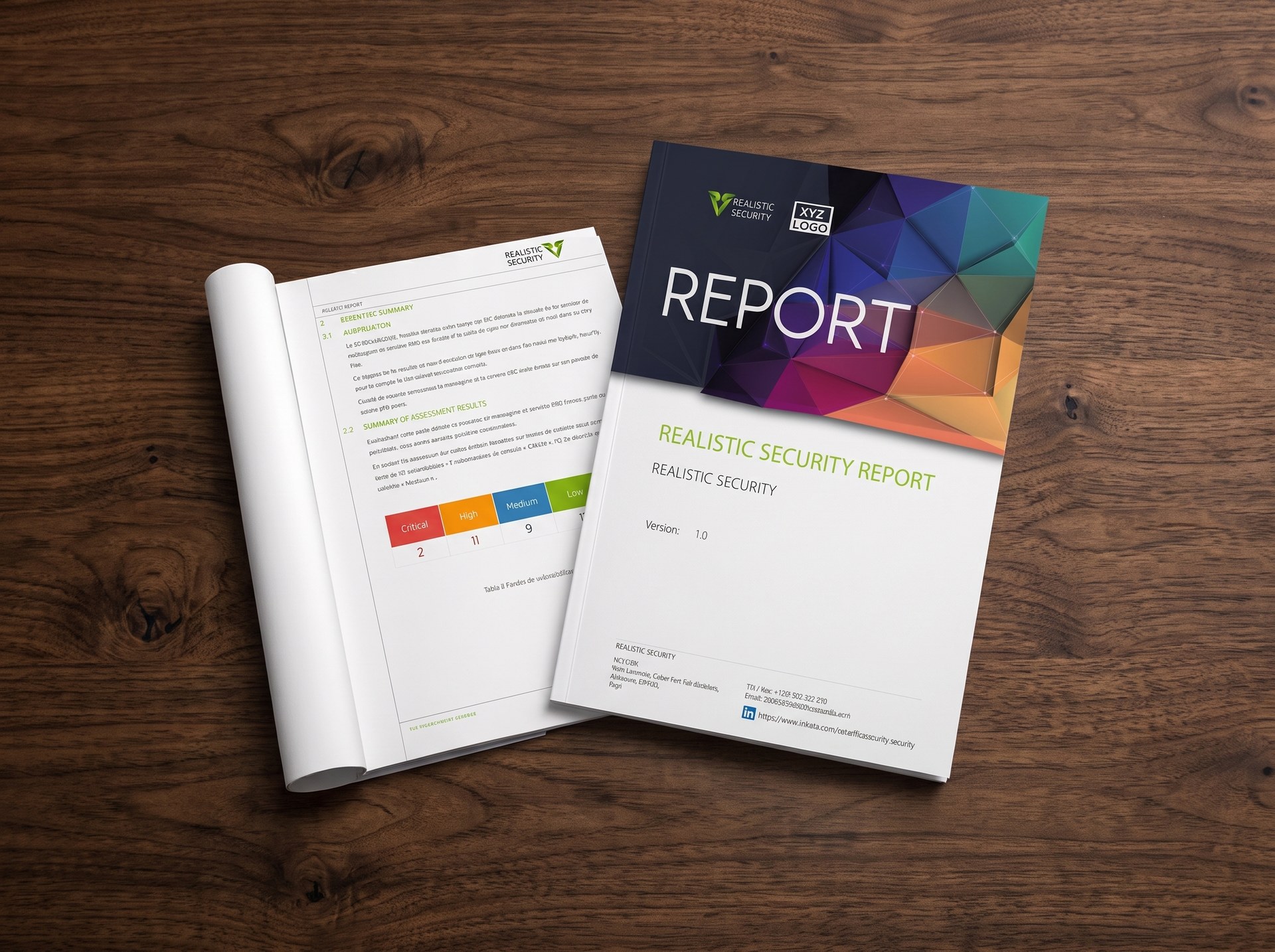
Realistic Security application security report

Team Certifications

Our AppSec engineers hold offensive security certifications. OSWE focuses on web application and source code security.

OSWE

Offensive Security Web Expert

OSCP

Offensive Security Certified Professional

OSEP

Offensive Security Experienced Penetration Tester

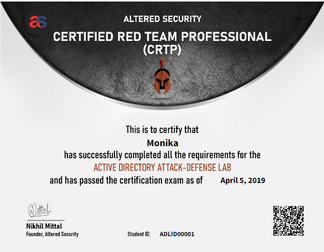
CRTP

Certified Red Team Professional

CPTS

Certified Penetration Testing Specialist

eCPPT

Certified Professional Penetration Tester

Ready to Make Your Applications Safer?

Tell us about your applications and your team. We will propose the right scope, from one application to a full AppSec programme.