Vulnerability Assessment
Identification and analysis of vulnerabilities across networks, systems, and applications to prioritize remediation based on risk.
Know Your Weaknesses Before Attackers Do
We scan your networks, systems, and applications to find known vulnerabilities. Then our experts check every important result by hand. This removes false positives and confirms which weaknesses are real.
We rank each finding by real risk: how easy it is to exploit and how much damage it could cause to your business. We do not rank by scanner score. Your team fixes what matters first.
Why Run a Vulnerability Assessment?
- Full Visibility: Get a clear list of the weaknesses attackers could use against you
- Verified Results: We check every important finding by hand, not only with a tool
- Risk-Based Priority: Findings ranked by exploitability and business impact, so you fix the right things first
- Clear Remediation Plan: Practical fix steps your IT team can follow
- Repeatable: Run it regularly to track progress and catch new weaknesses
- Compliance Support: Meet the vulnerability management requirements of ISO 27001, PCI DSS, and other standards
What We Assess
Every part of your environment where a vulnerability could give an attacker a way in
External Network
We assess everything you expose to the internet, the same way an outside attacker sees it.
- Public IP ranges and DNS
- Exposed services and ports
- VPN and remote access gateways
- Mail and DNS security settings
Internal Network
We assess your internal systems to find what an attacker could reach after getting inside.
- Servers and workstations
- Internal services and shares
- Network segmentation checks
- Legacy and unsupported systems
Web Applications
We assess your websites, portals, and APIs for known weaknesses and vulnerable components.
- OWASP Top 10 checks
- Outdated frameworks and libraries
- Authentication and session flaws
- API endpoint exposure
Cloud & Containers
We assess your cloud accounts and container platforms for exposed resources and weak settings.
- Public storage and open resources
- Cloud service misconfigurations
- Container image vulnerabilities
- Kubernetes and Docker exposure
Endpoints & Servers
We assess your operating systems and installed software for missing patches and weak settings.
- Missing security patches
- Vulnerable installed software
- Local privilege escalation paths
- Insecure service configurations
Network Devices
We assess your firewalls, switches, routers, and Wi-Fi equipment for known flaws and weak configurations.
- Outdated firmware
- Exposed management interfaces
- Default or weak credentials
- Insecure protocols (Telnet, SNMPv1)
Our Assessment Process
A clear, step-by-step method from scoping to a remediation plan you can act on
Scoping & Asset Inventory
We agree on what to assess, list all assets in scope, and set the rules and timing with your team.
Automated Scanning
We run professional vulnerability scanners across all in-scope assets to find known weaknesses quickly.
Manual Verification
Our experts check the results by hand. We remove false positives and confirm which findings are real.
Risk Prioritization
We rank every confirmed finding by how easy it is to exploit and how much it could hurt your business.
Report & Remediation Plan
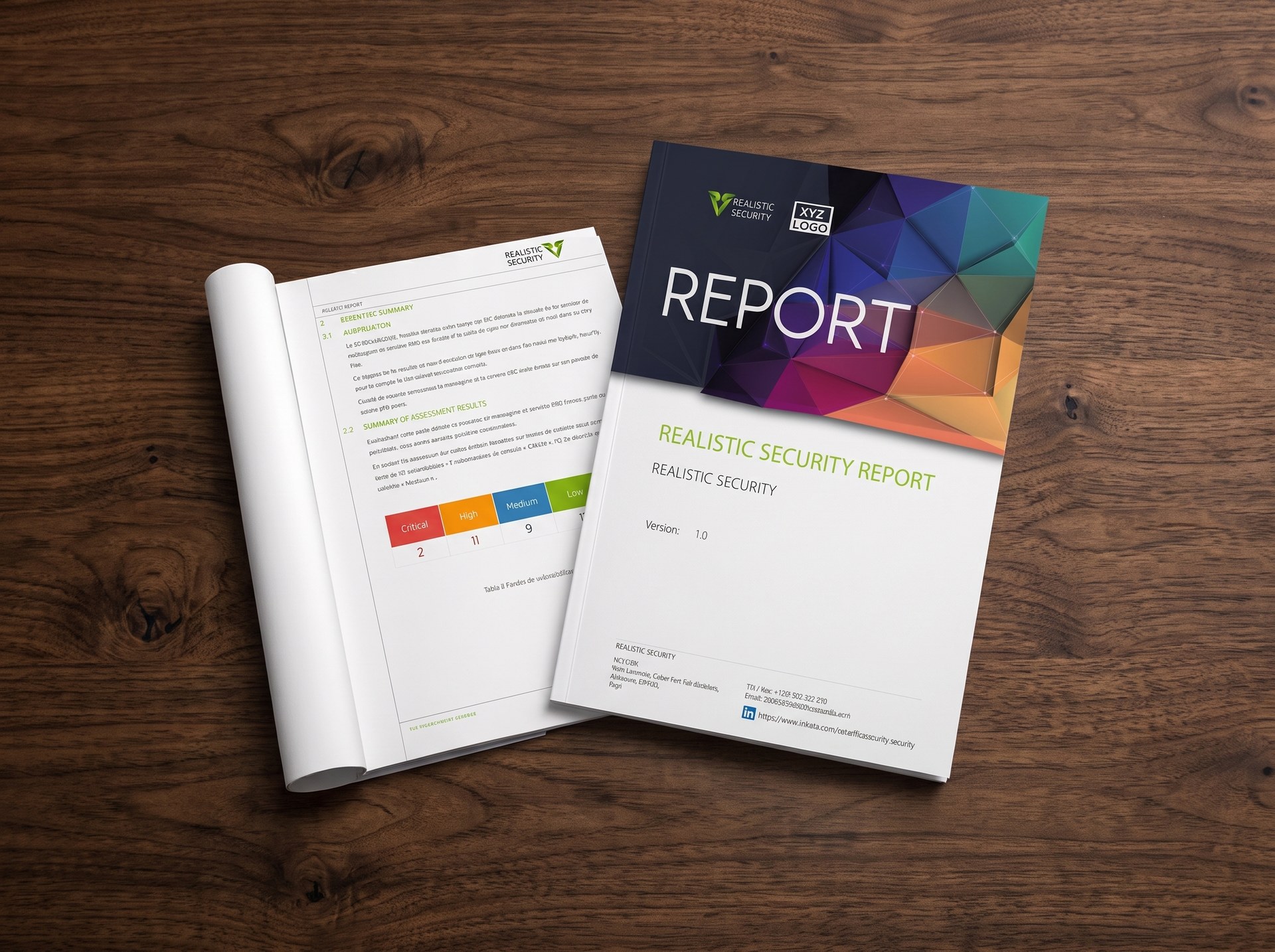
We deliver a risk-ranked report, an executive summary, and a clear plan with fix steps for each finding.
Re-test on Request
After your team applies the fixes, we can re-test the findings to confirm they are closed.
Vulnerability Report
A risk-ranked report that tells your team what to fix first, and how.
Executive Summary
Overall exposure and key risks, written for leadership.
Verified Findings
Every important result checked by hand, false positives removed, with evidence.
Risk Ranking
Findings ranked by ease of exploit and business impact, not by scanner score.
Remediation Plan
Clear fix steps for each finding, grouped for your IT teams.
What We Typically Find
Weaknesses we commonly discover during vulnerability assessments
Unpatched Systems
Servers and workstations missing security updates for known, actively exploited vulnerabilities.
Default Credentials
Devices and applications still using the factory username and password.
Exposed Management Interfaces
Admin panels, RDP, SSH, or database ports reachable from the internet or from any internal user.
Outdated TLS
Old TLS versions, weak ciphers, or expired certificates that put data in transit at risk.
Missing Segmentation
Flat networks where one compromised machine can reach every other system.
Vulnerable Web Components
Outdated CMS plugins, frameworks, and JavaScript libraries with public exploits.
Ready to Prioritize Your Remediation?
Let our team find your real weaknesses and give you a clear, risk-ranked plan to fix them.